Safari Africa Guide: Best Places for Wildlife in 2025
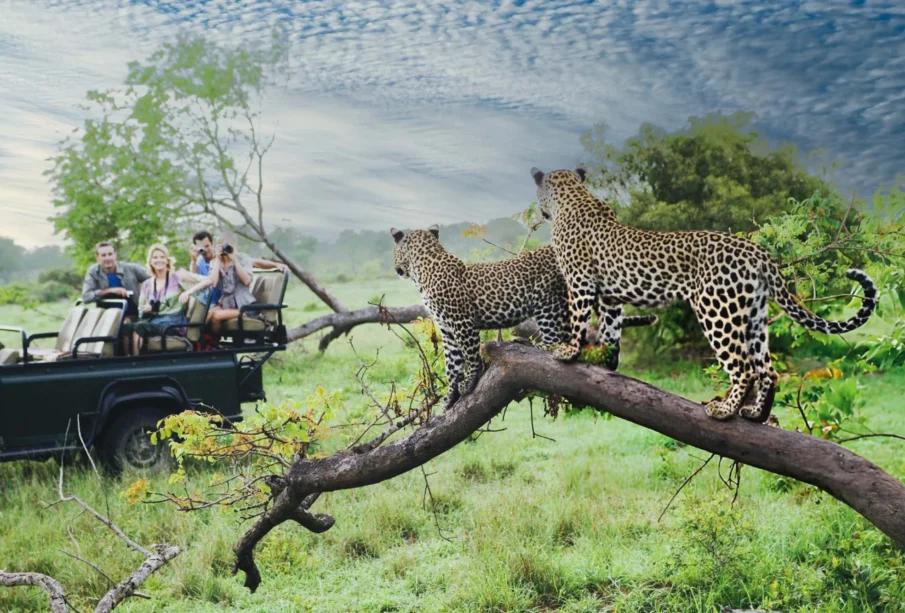
An African safari is more than just a vacation; it is a profound journey into the heart of the wild. It is the thrill of watching a lioness stalk her prey, the awe of seeing a herd of elephants cross a dusty plain, and the peace of a sunset over the savanna. As we look ahead to 2025, the call of Africa’s untamed landscapes is stronger than ever, offering a chance to reconnect with nature in its purest form.
This Safari Africa Guide: Best Places to Experience Wildlife in 2025 is your essential companion for planning an unforgettable adventure. We will explore the continent’s most iconic destinations, each offering a unique window into the animal kingdom. From the vast migrations of East Africa to the pristine deltas of the south, we will cover where to go, what you will see, and how to travel responsibly.
Get ready to discover the destinations that promise not just sightings, but truly immersive wildlife encounters that will stay with you for a lifetime.
Why 2025 is the Year for an African Safari
The world of travel has evolved, and safari destinations have adapted with a renewed focus on sustainability and exclusive experiences. In 2025, you will find lodges and camps that are more deeply committed to conservation and community empowerment than ever before. This means your visit directly contributes to protecting the very ecosystems you have come to admire.
Furthermore, post-pandemic travel has led to a greater appreciation for wide-open spaces and meaningful connections. A safari offers both in abundance. It is an opportunity to disconnect from the digital world and tune into the rhythms of nature, creating memories that are both thrilling and restorative.
Top Safari Destinations for 2025
Choosing the right destination is the most critical step in planning your safari. Each country and park offers a distinct experience. Here are some of the best places to consider for your 2025 adventure.
1. Serengeti National Park, Tanzania: The Great Migration
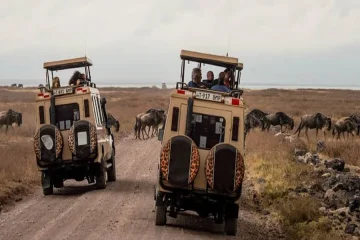
No Safari Africa Guide would be complete without the Serengeti. This legendary park is home to the Great Migration, one of the most spectacular natural events on Earth. Millions of wildebeest, zebras, and gazelles journey in a continuous cycle in search of fresh grazing, facing dramatic river crossings and evading opportunistic predators.
- Wildlife Highlights: The Great Migration (year-round, but locations vary), abundant big cats (lions, leopards, cheetahs), elephants, giraffes, and hippos. The Serengeti offers one of the best chances to see the “Big Five” (lion, leopard, rhinoceros, elephant, and Cape buffalo).
- Best Time to Go (2025): For the dramatic Mara River crossings, aim for July to October in the northern Serengeti. For calving season, visit the southern Ndutu region from January to March.
- Travel Tip: Consider a mobile camp that moves with the migration. This puts you in the heart of the action, minimizing travel time and maximizing wildlife viewing opportunities.
2. Okavango Delta, Botswana: A Watery Eden
Botswana stands out for its low-impact, high-value tourism model, making it a leader in sustainable travel. The Okavango Delta is its crown jewel—a vast inland delta that floods seasonally, creating a labyrinth of lagoons, channels, and islands. This unique ecosystem supports an incredible density and diversity of wildlife.
- Wildlife Highlights: Huge herds of elephants, endangered African wild dogs, aquatic antelopes like the sitatunga, and prolific birdlife. A water-based safari in a traditional dugout canoe (mokoro) offers a uniquely quiet and intimate way to view wildlife.
- Best Time to Go (2025): The dry season from June to October is peak safari time. The floodwaters are at their highest, concentrating wildlife on the islands and making for excellent game viewing.
- Conservation Focus: Many camps are 100% solar-powered and work closely with local communities, ensuring your tourist dollars support both wildlife and people.
3. Maasai Mara National Reserve, Kenya: Classic Safari Country
The Maasai Mara is the quintessential safari destination, famous for its rolling grasslands, acacia-dotted landscapes, and incredible concentration of animals. It forms the northern extension of the Serengeti ecosystem and hosts the Great Migration when the herds cross from Tanzania.
- Wildlife Highlights: Unparalleled lion and cheetah sightings. The Mara is also a key battleground for the migrating herds during the river crossings. It offers a classic “Out of Africa” landscape that feels both vast and intimate.
- Best Time to Go (2025): Visit between July and October to witness the Great Migration. The “shoulder seasons” of June and November can offer great value and fewer crowds.
- Cultural Connection: The Mara is managed by the Maasai people. Visiting a local village provides a respectful and authentic cultural experience, offering insight into the traditional coexistence between humans and wildlife.
4. Kruger National Park, South Africa: Accessibility and Diversity
Kruger is one of Africa’s oldest and most famous wildlife reserves. Its excellent infrastructure, including paved roads and a wide range of accommodation options, makes it one of the most accessible safari destinations. The park’s diverse habitats, from southern woodlands to northern savanna, support an immense variety of species.
- Wildlife Highlights: Kruger offers reliable Big Five sightings. It is also a fantastic place to see rhinoceros, thanks to intensive anti-poaching efforts. The private reserves bordering the park (like Sabi Sand) are renowned for habituated leopard sightings.
- Best Time to Go (2025): The dry winter months from May to September are ideal. Vegetation is sparse and animals congregate around waterholes, making them easier to spot.
- Travel Tip: For a more exclusive experience, consider staying in one of the private game reserves adjacent to Kruger. They share an unfenced border with the national park but offer off-road driving and guided bush walks, which are not permitted in the main park.
5. Volcanoes National Park, Rwanda: The Gentle Giants
For a different kind of wildlife encounter, this Safari Africa Guide recommends Rwanda. Nestled among the misty Virunga Mountains, Volcanoes National Park is one of the last remaining sanctuaries for the endangered mountain gorilla. Trekking to see these gentle giants is a powerful, life-changing experience.
- Wildlife Highlights: The main draw is tracking one of the habituated mountain gorilla families. The experience is strictly controlled, with only small groups allowed for one hour each day. The park is also home to golden monkeys and a rich array of birdlife.
- Best Time to Go (2025): You can trek year-round, but the drier months from June to September and December to February make the steep jungle paths less muddy and slippery.
- Conservation Success: Gorilla tourism has been instrumental in funding conservation and anti-poaching patrols, leading to a steady increase in the mountain gorilla population. Your permit fee directly contributes to their survival.
Frequently Asked Questions (FAQs)
Q1: How long should an African safari be?
For a first-time safari, a trip of 7 to 10 days is ideal. This allows you to explore one or two different parks without feeling rushed and provides enough time for incredible wildlife sightings.
Q2: Is an African safari safe?
Yes, safaris are very safe when you travel with a reputable operator. You will be guided by trained professionals who understand animal behavior and prioritize your safety. Always follow your guide’s instructions.
Q3: What type of accommodation should I choose?
Accommodation ranges from rustic tented camps to ultra-luxurious lodges. Tented camps offer an immersive experience, allowing you to hear the sounds of the bush at night. Lodges provide more amenities and solid walls. The choice depends on your budget and comfort level.
Q4: What should I pack for a safari?
Pack lightweight clothing in neutral colors (khaki, beige, green). Avoid bright colors and camouflage patterns. Essentials include a warm jacket for cool mornings and evenings, a wide-brimmed hat, sunglasses, sunscreen, insect repellent, and a good pair of binoculars.
Q5: Can I bring children on a safari?
Absolutely. Many lodges and camps are family-friendly and offer special programs for children. However, some activities like gorilla trekking have age restrictions (usually 15 years and older). It is a fantastic educational experience for children of the right age.
Final Words
Planning a trip to Africa is the first step on a journey that will captivate your senses and leave an indelible mark on your soul. As this Safari Africa Guide: Best Places to Experience Wildlife in 2025 has shown, the continent offers a breathtaking diversity of landscapes and animal encounters, from the thundering herds of the Serengeti to the tranquil waterways of the Okavango Delta.
As you plan, remember that your journey is part of a larger story of conservation. By choosing sustainable operators and respecting the environments you visit, you become a partner in protecting Africa’s precious natural heritage for future generations.
The wild is calling. In 2025, answer it with an adventure that is not just a trip, but a true experience of a lifetime. The memories you make under the vast African sky will be the most valuable souvenirs you bring home.